


Selecting a Fence Kit Based on Your Yard's Wind Exposure

Wind is one of the most underestimated factors in cat fence system selection and installation. While most pet owners focus on height requirements, fence types, and perimeter measurements, wind exposure can dramatically affect both system performance and longevity. Understanding how wind interacts with cat containment systems—and selecting the right equipment for your specific exposure level—ensures decades of reliable protection regardless of weather conditions.
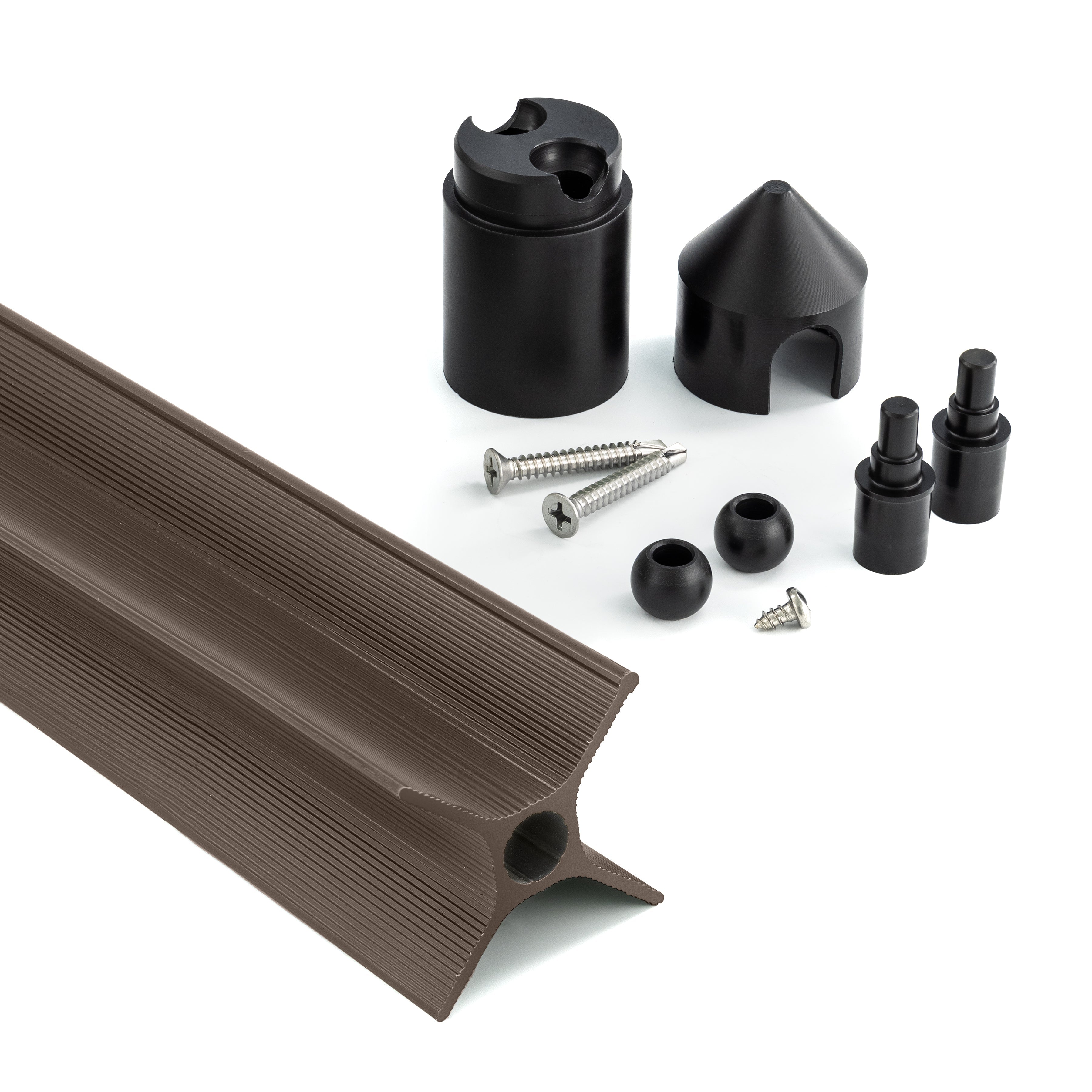
Premium components designed to withstand challenging weather conditions including high winds
This comprehensive guide helps you assess your property's wind exposure, understand how wind affects cat fence systems, and select the optimal Oscillot® configuration for your specific conditions.
Why Wind Exposure Matters for Cat Fence Systems
Wind affects cat containment systems in ways that aren't immediately obvious but have significant long-term implications:

Direct Wind Effects:
- Component stress: Consistent wind pressure accelerates wear on mounting hardware and bearings
- Paddle rotation interference: Strong gusts can affect paddle spinning in poorly designed systems
- Mounting security: Wind load tests the strength of bracket attachments to fence structures
- Material degradation: Wind-borne debris and UV exposure combined accelerate material breakdown
- Fence structure impact: Wind can compromise underlying fence integrity, affecting system stability
Indirect Wind Considerations:
- Debris accumulation: Windy environments deposit leaves, dust, and materials into paddle assemblies
- Moisture intrusion: Wind-driven rain reaches components that would stay dry in calm conditions
- Temperature extremes: Wind chill and heat intensification affect material properties
- Installation challenges: High-wind areas require modified installation techniques
- Maintenance frequency: Exposed locations need more regular inspection and cleaning
The Oscillot® Wind-Resistant Advantage
Unlike net-based or electric systems that can fail in high winds, Oscillot® cat-proof fence kits are engineered specifically for outdoor durability. The system's key components—precision-machined aluminum paddles, industrial-grade bearings, and reinforced mounting brackets—are tested in conditions ranging from Australian coastal winds to European mountain gusts. This engineering ensures reliable performance regardless of your location's wind exposure.

Assessing Your Property's Wind Exposure
Before selecting your fence kit configuration, accurately assess your property's wind conditions:

Geographic Factors:
Coastal Properties:
- Characteristics: Consistent onshore winds, salt air, moisture, minimal wind breaks
- Wind speed range: 15-40+ km/h average, with storm gusts 80-120 km/h
- Special concerns: Salt corrosion, sand abrasion, humidity, UV exposure
- Exposure rating: HIGH to EXTREME
Open Rural or Agricultural Areas:
- Characteristics: Sweeping winds across open land, seasonal variation, dust exposure
- Wind speed range: 10-35 km/h average, with seasonal gusts 60-100 km/h
- Special concerns: Dust accumulation, crop debris, animal intrusion attempts
- Exposure rating: MODERATE to HIGH
Urban or Suburban Settings:
- Characteristics: Variable wind patterns, building-created channeling, sheltered pockets
- Wind speed range: 5-25 km/h average, with occasional gusts 40-70 km/h
- Special concerns: Localized wind tunnels, pollution particles, varied fence line exposure
- Exposure rating: LOW to MODERATE
Mountain or Hill Locations:
- Characteristics: Topography-intensified winds, directional consistency, extreme gusts
- Wind speed range: 20-45 km/h average, with mountain wave gusts 100-150 km/h
- Special concerns: Snow accumulation, extreme temperature swings, structural stress
- Exposure rating: HIGH to EXTREME
Sheltered Valley or Forest Properties:
- Characteristics: Minimal consistent wind, occasional storm gusts, heavy vegetation
- Wind speed range: 3-15 km/h average, with storm gusts 50-80 km/h
- Special concerns: Falling branches, leaf accumulation, limited air circulation
- Exposure rating: LOW

Site-Specific Assessment:
Within any geographic category, individual properties have unique microclimates. Conduct this on-site assessment:
Wind Direction Analysis:
- Observe prevailing wind direction over 2-4 weeks
- Note which fence sections receive direct wind exposure
- Identify areas where buildings or trees create wind shadows
- Map locations where structures channel or intensify wind
- Document seasonal wind pattern changes
Wind Speed Estimation:
| Observation | Estimated Speed | Exposure Level |
|---|---|---|
| Leaves rustle, flags move gently | 10-20 km/h | LOW |
| Small branches move, dust raised | 20-30 km/h | MODERATE |
| Large branches move, walking impeded | 30-45 km/h | HIGH |
| Whole trees sway, difficulty walking | 45-60 km/h | VERY HIGH |
| Branches break, structural damage potential | 60+ km/h | EXTREME |
Exposure Mapping Exercise:
- Walk your property during windy conditions
- Note which fence sections experience strongest winds
- Identify sheltered versus exposed areas
- Document any existing wind damage to structures
- Consider how seasonal vegetation changes affect wind exposure

How Wind Affects Different Fence Types
Wind impact varies significantly based on your existing fence structure. Understanding these differences helps optimize Oscillot® installation:

Solid Fences (Timber, Vinyl, Composite):
Wind Characteristics:
- Surface area exposure: Solid panels catch maximum wind force
- Stress points: Posts and horizontal rails bear significant load
- Movement: Entire fence sections can flex or vibrate in strong winds
- Oscillot® consideration: Ensure fence structure is sound before installation; reinforce weak sections
Installation Recommendations:
- Verify post anchoring depth (minimum 60cm for HIGH wind areas)
- Add additional brackets in high-exposure sections (every 20-25cm vs. standard 30cm)
- Use longer mounting screws for secure attachment
- Consider inside installation if wind consistently hits one face
- Inspect fence flexibility; add cross-bracing if excessive movement observed
Metal and Chain-Link Fences:
Wind Characteristics:
- Wind permeability: Open structure allows wind passage, reducing overall load
- Vibration: Chain-link can vibrate significantly in strong winds
- Stability advantage: Generally more stable than solid fences in high winds
- Oscillot® consideration: Excellent base for wind-exposed installations
Installation Recommendations:
- Cap chain-link top with solid rail before Oscillot® installation
- Ensure wire tension is adequate (loose chain-link increases vibration)
- Use standard bracket spacing; wind load is minimal
- Check post stability; tighten or reinforce wobbly posts
- Metal fences perform excellently in all wind conditions
Masonry Fences (Brick, Block, Stone):
Wind Characteristics:
- Maximum stability: Heavy, immovable structures resist wind excellently
- Zero flexibility: No movement or vibration concerns
- Durability: Masonry itself unaffected by any residential wind speeds
- Oscillot® consideration: Ideal mounting surface for wind-exposed locations
Installation Recommendations:
- Use masonry anchors appropriate for your wall material
- Standard bracket spacing sufficient for all wind conditions
- Verify wall top condition; repair damaged capping before installation
- Consider aesthetics; clean lines possible on masonry surfaces
- Masonry provides best long-term stability in extreme wind areas

Oscillot® Engineering for Wind Resistance
The Oscillot® system incorporates multiple design features specifically engineered for wind resistance:
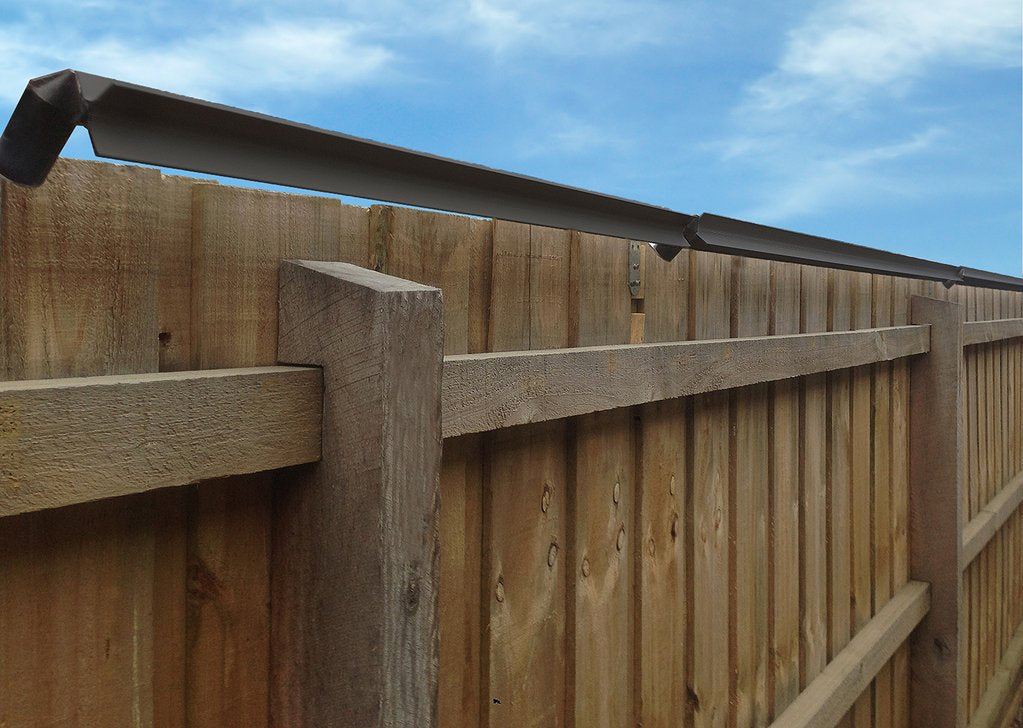
Aerodynamic Paddle Design:
- Four-blade configuration: Distributes wind load evenly around rotation axis
- Low profile: Minimizes wind catching surface area
- Smooth surfaces: Reduces turbulence and drag
- Rotation advantage: Wind actually assists paddle movement, not hindering it
- No net or fabric: Eliminates materials that catch wind like sails
Precision Bearing System:
- Industrial-grade components: Withstand side-loading from wind pressure
- Sealed design: Prevents dust and moisture intrusion in windy conditions
- Corrosion-resistant materials: Function perfectly in salt air and high humidity
- Smooth operation: Maintain free spinning even when exposed to debris
- Never rust or jam: Engineered to last decades regardless of wind exposure
Robust Mounting Hardware:
- Reinforced brackets: Designed to handle significant wind loads
- Multiple attachment points: Distribute stress across fence structure
- High-quality fasteners: Corrosion-resistant screws maintain holding power
- Adjustable positioning: Accommodate fence flexing without compromising security
- Material selection: UV-resistant, weatherproof components
Weather Testing and Validation
Oscillot® components undergo rigorous testing in extreme conditions. The system has proven performance in Australian coastal installations experiencing regular 60+ km/h winds, European mountain properties with gusts exceeding 100 km/h, and diverse global installations spanning every climate zone. This real-world validation ensures your system will perform reliably regardless of local wind conditions.

Selecting Kit Size for Wind-Exposed Properties
Wind exposure doesn't change the fundamental kit size calculation—that's based on perimeter length—but it does influence component selection and installation approach:

Standard Kit Selection Process:
- Measure total perimeter using cat fence calculator
- Select appropriate kit size based on measurement:
- Small properties: 1.2m to 6.2m kits (€40-€152 on sale)
- Medium properties: 12.4m to 24.8m kits (€288-€544 on sale)
- Large properties: 31m to 92.9m kits (€680-€1,943 on sale)
- Consider spare components for high-wind areas
Wind-Specific Considerations:
| Wind Exposure | Standard Kit Adequate? | Recommendations |
|---|---|---|
|
LOW (Sheltered, <15 km/h) |
Yes, fully adequate | Standard installation, normal bracket spacing, routine maintenance |
|
MODERATE (Suburban, 15-30 km/h) |
Yes, fully adequate | Standard installation with attention to fence integrity, regular inspections |
|
HIGH (Rural/Coastal, 30-45 km/h) |
Yes, with modifications | Reduced bracket spacing on exposed sections, additional fasteners, quarterly inspections |
|
VERY HIGH (Exposed coastal/mountain, 45-60 km/h) |
Yes, with reinforcement | Close bracket spacing throughout, upgraded fasteners, fence reinforcement, monthly checks |
|
EXTREME (Severe exposure, 60+ km/h) |
Yes, with full optimization | Maximum reinforcement, professional installation recommended, consider inside mounting, bi-weekly inspections |
Installation Modifications for High-Wind Areas
The standard Oscillot® installation guide provides excellent base instructions. For high-wind properties, implement these additional strategies:
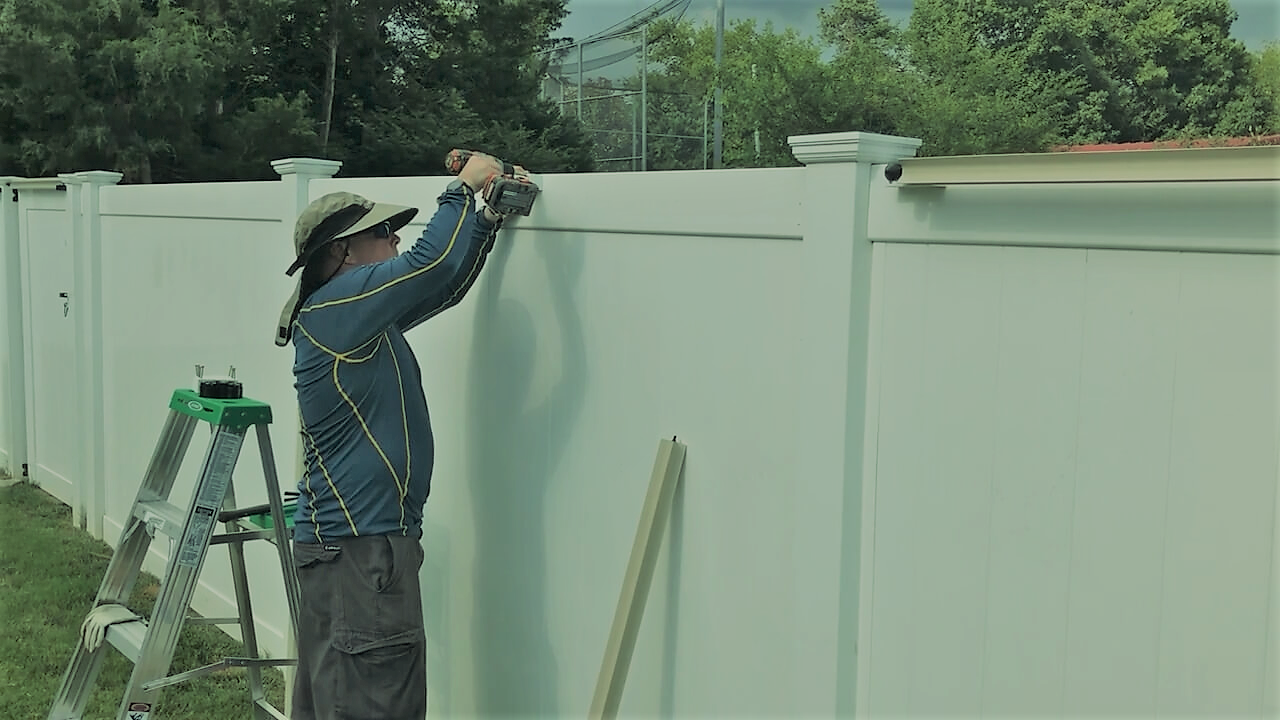
Pre-Installation Preparation:
-
Fence reinforcement:
- Add additional posts to long fence runs (maximum 2.5m spacing in HIGH wind areas)
- Install cross-bracing on timber fences experiencing flexing
- Deepen post footings if wobbling detected (minimum 60cm for HIGH, 80cm for EXTREME)
- Replace rotted or damaged boards that compromise structural integrity
- Tighten chain-link tension to reduce vibration
-
Mounting surface preparation:
- Ensure fence tops are level and solid
- Add continuous mounting rail to chain-link for better load distribution
- Repair any cracks or damage in masonry walls
- Pre-drill mounting holes to prevent splitting in timber
Modified Installation Techniques:
Bracket Spacing Adjustment:
| Wind Exposure | Standard Spacing | Recommended Spacing |
|---|---|---|
| LOW to MODERATE | 30cm | 30cm (standard) |
| HIGH | 30cm | 25cm on exposed sections |
| VERY HIGH | 30cm | 20-25cm throughout |
| EXTREME | 30cm | 20cm throughout, 15cm on most exposed sections |
Fastener Upgrades:
- MODERATE wind: Standard screws included in kit
- HIGH wind: Increase screw length by 10-15mm for deeper penetration
- VERY HIGH wind: Use stainless steel screws with 20-25mm additional length
- EXTREME wind: Consider through-bolting on critical sections, stainless steel throughout
Alternative Mounting Positions:
- Inside mounting: If prevailing winds consistently hit one face, install Oscillot® on sheltered (inside) fence face
- Corner reinforcement: Add extra brackets at corners where wind channeling occurs
- Gap elimination: Ensure absolutely no gaps in paddle coverage; wind can exploit even small openings

Professional Installation Option:
For EXTREME wind exposure properties, consider professional installation through Airtasker. After purchasing your kit, you'll receive a discount voucher code for installation services. Professionals can implement advanced reinforcement techniques and ensure optimal configuration for challenging conditions.

Maintenance Protocols for Wind-Exposed Installations
Higher wind exposure requires adjusted maintenance schedules to ensure continued optimal performance:

Inspection Frequency by Exposure:
| Exposure Level | Quick Visual Check | Detailed Inspection | Deep Maintenance |
|---|---|---|---|
| LOW | Monthly | Quarterly | Annually |
| MODERATE | Bi-weekly | Quarterly | Bi-annually |
| HIGH | Weekly | Monthly | Quarterly |
| VERY HIGH | Twice weekly | Bi-weekly | Quarterly |
| EXTREME | After wind events | Weekly | Monthly |
Quick Visual Check (5-10 minutes):
- Walk perimeter looking for obvious damage
- Spin 3-5 paddles in exposed sections to verify rotation
- Check for debris accumulation
- Verify no brackets appear loose
- Look for any fence structure movement or damage
Detailed Inspection (30-45 minutes):
- Spin every paddle verifying smooth rotation
- Check all visible fasteners for tightness
- Inspect brackets for stress cracks or deformation
- Examine fence structure for wind damage
- Clean accumulated debris from paddle assemblies
- Verify continuous barrier with no gaps
- Check for corrosion or weather damage
Deep Maintenance (2-3 hours):
- Complete detailed inspection plus:
- Tighten all fasteners systematically
- Lubricate bearings if any stiffness detected (rare)
- Replace any damaged components from spare parts
- Clean entire system thoroughly
- Assess fence structure; repair any damage
- Document system condition with photos
- Update maintenance log
Post-Storm Protocol:
After significant wind events (gusts >60 km/h), perform immediate inspection:
- Complete visual perimeter check
- Test paddle rotation on all visible paddles
- Check for loose brackets or fasteners
- Verify fence structure integrity
- Clear any wind-deposited debris
- Tighten any loosened components immediately
- Document any damage for warranty claims if applicable

Long-Term Performance in Wind-Exposed Locations
With proper selection, installation, and maintenance, Oscillot® systems in wind-exposed locations perform exceptionally:
Expected Lifespan by Exposure:
- LOW to MODERATE exposure: 15-20+ years with minimal maintenance
- HIGH exposure: 12-18 years with regular maintenance protocol
- VERY HIGH exposure: 10-15 years with diligent maintenance and occasional component replacement
- EXTREME exposure: 8-12 years with intensive maintenance and proactive component replacement
These estimates assume adherence to maintenance schedules. The 3-year manufacturer's warranty covers defects regardless of wind exposure, and the 60-day money-back guarantee ensures satisfaction with your system's performance in your specific conditions.
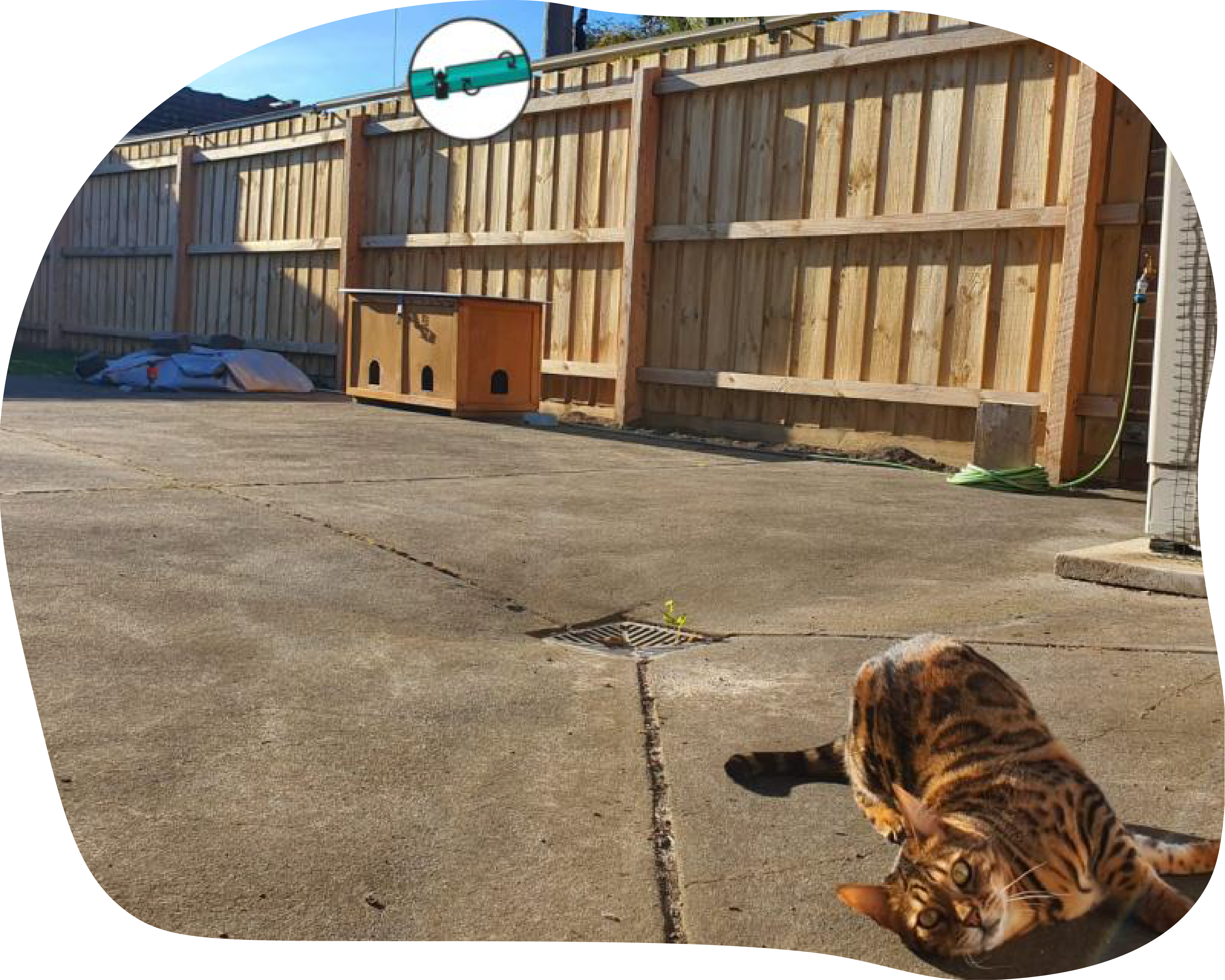
Special Considerations for Coastal Installations
Coastal properties combine high wind exposure with salt air, creating the most challenging installation environment:

Additional Coastal Factors:
- Salt corrosion: Accelerates fastener degradation if not using corrosion-resistant materials
- Sand abrasion: Wind-borne sand can affect moving parts
- Moisture saturation: High humidity combines with salt for aggressive corrosion
- UV intensity: Reflected light from water increases UV exposure
- Marine growth: In extreme coastal locations, algae or moss may accumulate
Coastal-Specific Recommendations:
- Use stainless steel fasteners throughout installation
- Increase inspection frequency to bi-weekly minimum
- Rinse system quarterly with fresh water to remove salt
- Apply corrosion-inhibiting spray to fasteners annually
- Expect slightly reduced lifespan; plan for earlier component replacement
- Consider masonry or powder-coated metal fencing over timber (better salt resistance)
- Stock spare brackets and fasteners for quick replacement
Despite these challenges, hundreds of successful coastal Oscillot® installations demonstrate the system's viability even in severe marine environments.
Cost-Benefit Analysis: Wind-Resistant Installation
Investing in wind-appropriate installation pays dividends over system lifetime:
Upfront Investment Comparison:
Standard Installation (LOW-MODERATE wind):
- Oscillot® kit: €40-€1,943 (based on perimeter)
- Standard fasteners: Included
- Labor (DIY): Free
- Total: €40-€1,943
Wind-Optimized Installation (HIGH-EXTREME wind):
- Oscillot® kit: €40-€1,943 (based on perimeter)
- Additional brackets (20% more): €30-€150
- Upgraded fasteners: €20-€50
- Fence reinforcement materials: €50-€200
- Professional installation (optional): €200-€600
- Total: €140-€2,943
Long-Term Value:
The additional €100-€1,000 investment for wind optimization delivers:
- Extended system lifespan (30-50% longer)
- Reduced maintenance costs (fewer emergency repairs)
- Prevention of cat escapes from wind-damaged systems
- Protection of underlying fence structure
- Peace of mind during storm events
- Reduced warranty claims and replacement needs
Return on Investment: Wind optimization typically pays for itself within 3-5 years through avoided repairs and extended system life.
Real-World Performance: Wind-Exposed Installations
More than 19,000 Oscillot® installations worldwide include properties in some of the most wind-challenged locations:

Proven Performance Examples:
- Australian Coastal Properties: Systems maintaining perfect function through cyclone-adjacent conditions with sustained 70+ km/h winds
- UK Coastal Installations: Reliable performance in Atlantic maritime climates with consistent 40-50 km/h onshore winds
- European Mountain Locations: Alpine installations withstanding föhn winds and winter storms exceeding 100 km/h gusts
- Rural Agricultural Areas: Open-land installations performing flawlessly across Australian outback, European farmland, and exposed rural properties
- Urban Wind Tunnels: City installations managing localized wind intensification from building channeling effects
This real-world validation demonstrates that proper assessment, selection, and installation create reliable systems regardless of wind exposure challenges.
Getting Started: Your Wind-Informed Action Plan
Ready to select the right fence kit for your wind exposure? Follow this systematic approach:

Step-by-Step Selection Process:
-
Assess your wind exposure:
- Determine geographic category
- Conduct site-specific observations over 2-4 weeks
- Map exposed vs. sheltered fence sections
- Estimate average and maximum wind speeds
- Assign exposure rating (LOW to EXTREME)
-
Evaluate your fence structure:
- Document fence type and condition
- Test for flexing, wobbling, or damage
- Identify reinforcement needs
- Determine mounting surface suitability
-
Calculate kit requirements:
- Measure perimeter with online calculator
- Select base kit size
- Determine additional components for wind exposure
- Calculate upgraded fastener needs
-
Plan installation approach:
- Decide DIY vs. professional installation
- Determine bracket spacing modifications
- Plan fence reinforcement if needed
- Schedule installation during calm weather
-
Order components:
- Purchase primary kit (free shipping over €700)
- Order additional brackets if needed
- Acquire upgraded fasteners for wind exposure
- Consider spare parts for high-exposure areas
-
Install and validate:
- Follow installation guide with wind modifications
- Test all paddles for smooth rotation
- Verify secure mounting throughout
- Document installation for future reference
-
Establish maintenance routine:
- Set inspection schedule based on exposure
- Create maintenance checklist
- Stock spare components
- Document baseline condition

Conclusion: Wind-Smart Selection for Lasting Protection
Wind exposure is a critical but often overlooked factor in cat fence system selection. By honestly assessing your property's conditions, understanding how wind affects different installations, and selecting appropriate Oscillot® configurations with wind-specific modifications, you create systems that maintain reliable performance for decades.
The Oscillot® system's engineering advantages—aerodynamic paddles, precision bearings, robust mounting hardware, and quality materials—provide an excellent foundation for wind-exposed installations. Combined with informed selection, proper installation techniques, and appropriate maintenance protocols, even properties facing extreme wind exposure achieve outstanding long-term performance.
Don't let wind exposure deter you from providing your cats with secure outdoor access. With the right approach, properties from sheltered urban gardens to exposed coastal estates can benefit equally from Oscillot's® proven containment technology.
Take time to properly assess your wind conditions, make informed selections, and implement appropriate modifications. Your investment in wind-smart planning pays dividends through decades of reliable protection, regardless of weather challenges your location presents.
For specific questions about wind exposure, installation modifications for challenging conditions, or technical specifications, visit oscillot.eu or contact the Oscillot® team directly.