Choosing a Cat Fence System for Rescue Cats With Trauma Histories

Rescue cats carry invisible wounds that profoundly affect their behavior, stress responses, and interaction with their environment. Whether surviving abandonment, abuse, neglect, or chaotic shelter conditions, traumatized cats require special consideration when introducing outdoor access. The wrong containment system can trigger stress responses and undermine rehabilitation progress, while the right approach supports healing and confidence-building.

Secure outdoor access provides trauma recovery opportunities when implemented thoughtfully
This comprehensive guide explores how trauma affects cat behavior, why outdoor access benefits rehabilitation, and how to select and implement cat fence systems that support traumatized cats' unique needs.
Understanding Trauma in Rescue Cats
Trauma manifests differently in cats depending on their experiences, but common patterns emerge that affect containment system selection:

Common Trauma Backgrounds:
Abandonment Survivors:
- Behavioral patterns: Hypervigilance, separation anxiety, compulsive escape attempts when alone
- Trust issues: Difficulty forming secure attachments, fear of being left again
- Containment challenges: May frantically attempt escape when stressed, fearing abandonment
- Outdoor response: Can trigger memories of being "outside and lost"
Abuse Victims:
- Behavioral patterns: Startle responses, hand shyness, defensive aggression, hiding behaviors
- Trust issues: Generalized fear of humans or specific trigger associations
- Containment challenges: May panic at any perceived restraint or barrier
- Outdoor response: Either fearful of open spaces or desperate to escape perceived danger
Former Strays:
- Behavioral patterns: Strong territorial instincts, hunting behaviors, outdoor confidence
- Trust issues: Independence preference, difficulty accepting boundaries
- Containment challenges: Determined escape artists, may not accept confinement easily
- Outdoor response: Strong desire for outdoor access, frustration when denied
Hoarding Situations:
- Behavioral patterns: Resource guarding, social dysfunction, chronic stress responses
- Trust issues: Limited human socialization, fear of competition
- Containment challenges: May not understand boundaries, spatial anxiety
- Outdoor response: Can be overwhelmed by open space or desperately seek it
Shelter Trauma:
- Behavioral patterns: Shut down or hyperactive, noise sensitivity, depression
- Trust issues: Association of confinement with stress and loss
- Containment challenges: May perceive any boundary as re-caging
- Outdoor response: Desperately needs space and enrichment for recovery
Why Trauma History Matters for Containment
Traditional containment methods—nets, cages, electric barriers—can trigger trauma responses in rescue cats. Enclosed netting may remind abuse victims of being trapped. Electric systems cause pain associations that compound existing fear. Visible barriers can trigger confinement panic in shelter-traumatized cats. Selecting trauma-informed containment systems becomes essential for both safety and psychological recovery.
The Therapeutic Benefits of Outdoor Access
When implemented correctly, secure outdoor access provides significant therapeutic benefits for traumatized rescue cats:

Psychological Recovery Benefits:
- Environmental enrichment: Sensory stimulation accelerates recovery from depression and shut-down states
- Choice and agency: Ability to choose outdoor vs. indoor helps rebuild sense of control
- Reduced anxiety: Expanded territory decreases feeling of being trapped or confined
- Natural behavior expression: Hunting, climbing, and territorial marking support identity rebuilding
- Confidence building: Successfully navigating outdoor environment enhances self-assurance
- Stress relief: Natural environment provides calming sensory input
- Physical health: Exercise and sunlight support overall recovery
Social Rehabilitation Benefits:
- Safe observation distance: Traumatized cats can observe humans from comfortable distances
- Positive associations: Outdoor time creates positive experiences with their new home
- Reduced indoor tension: Expanded space decreases resource competition in multi-pet homes
- Gradual socialization: Outdoor activities provide low-pressure interaction opportunities

Why Oscillot® Excels for Trauma-Informed Containment
The Oscillot® cat-proof fence system uniquely addresses the specialized needs of rescue cats with trauma histories:
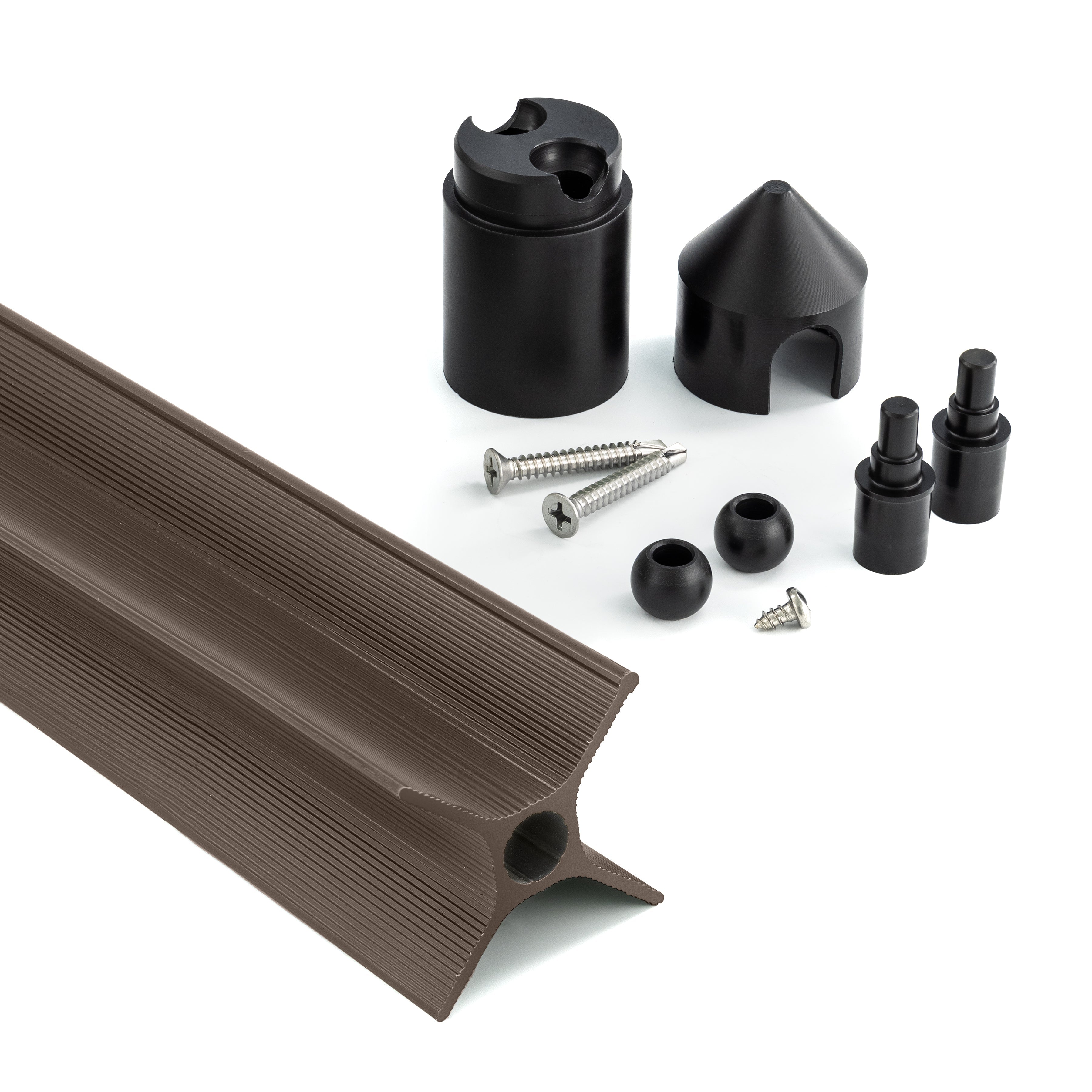
Trauma-sensitive design features support psychological recovery
Trauma-Informed Design Features:
1. No Enclosure Feeling
Unlike netting or catio cages, Oscillot® doesn't create an enclosed feeling. Traumatized cats experience their yard as open space, not confinement. The system operates at fence top level, maintaining visual openness that prevents cage-association triggers.
2. Silent Operation
Traumatized cats often develop noise sensitivity. Oscillot® operates completely silently—no buzzing, clicking, or mechanical sounds that could trigger startle responses or anxiety.
3. No Pain or Fear Associations
Electric containment systems cause pain that can re-traumatize abuse victims and create new fear associations. Oscillot's® mechanical action simply prevents climbing without any negative physical sensations, supporting trauma recovery rather than compounding it.
4. Visual Transparency
Cats can see through and beyond the system, reducing feelings of being trapped. This visual openness is crucial for cats whose trauma involves confinement or caging.
5. Predictable, Consistent Response
The system works identically every time—paddles always spin when touched. This predictability helps traumatized cats understand boundaries without confusion or fear of inconsistent consequences.
6. No Collar or Device Required
Traumatized cats often resist wearing collars (associated with restraint). Oscillot® requires no equipment on the cat, eliminating this potential trigger.
7. Immediate Effectiveness
No training period required. Traumatized cats don't need repeated exposures to "learn" the system, avoiding the stress of training processes.
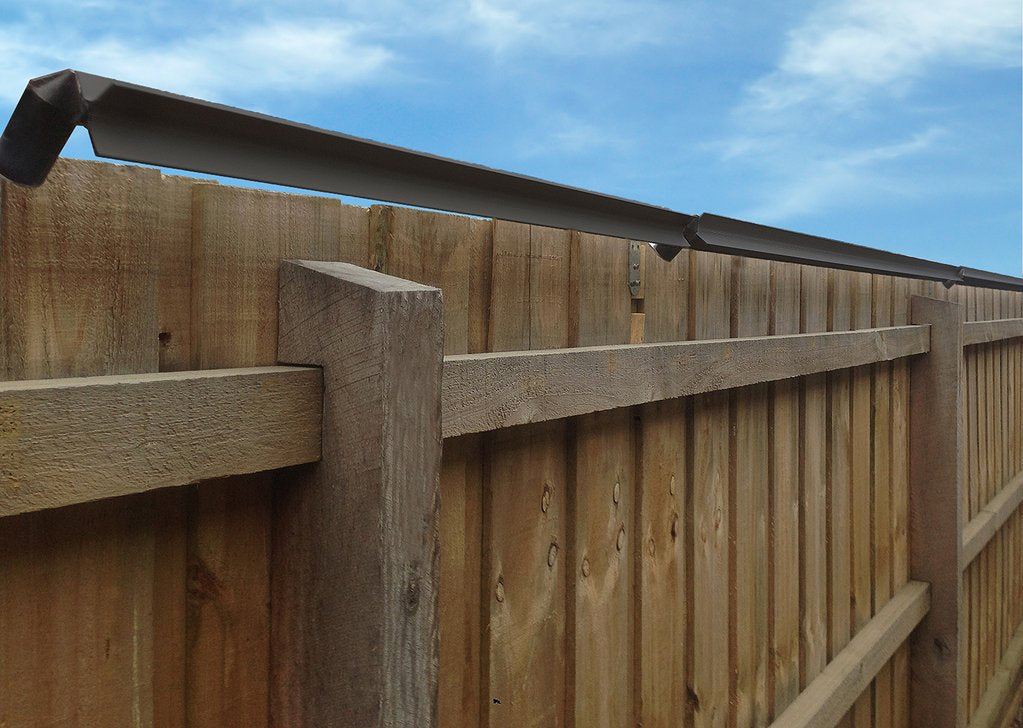
Pre-Installation Assessment for Rescue Cats
Before installing any containment system, assess your rescue cat's specific needs and trauma responses:

Behavioral Assessment Questions:
Escape Behaviors:
- Does your cat door-dash or bolt when opportunities arise?
- Do they persistently attempt to escape through windows or doors?
- Is escape behavior panic-driven or calculated?
- Does confinement trigger escalated stress responses?
- Have they escaped previous homes or foster situations?
Stress Responses:
- How does your cat respond to barriers or closed doors?
- Do they show signs of confinement anxiety (pacing, vocalization, destruction)?
- Are there specific triggers that cause panic responses?
- How do they handle novel environments or changes?
- Do they self-soothe or escalate when stressed?
Outdoor Experience:
- What is their known outdoor history (stray, indoor-only, mixed)?
- Do they show interest in windows or outdoor stimuli?
- How do they react to outdoor sounds, smells, or movements?
- Have they demonstrated outdoor survival skills?
- Do they show fear or confidence regarding outdoor spaces?
Trust and Bonding:
- How long have they been in your home?
- Have they bonded with you and recognize your home as their territory?
- Do they come when called or respond to your voice?
- Would they seek to return home if they escaped?
- Do they show signs of feeling secure in your home?
The 4-Week Rule for Rescue Cats
Animal behaviorists recommend waiting minimum 4 weeks after adoption before allowing outdoor access, even in secured spaces. This adjustment period allows:
- Bonding with new family and home
- Learning home layout and safe spaces
- Establishing routine and reducing initial stress
- Building trust that this home is permanent
- Ensuring if they escape, they know where "home" is
For severely traumatized cats, extend this to 6-8 weeks or longer based on behavioral progress.
Installation Planning for Trauma-Sensitive Cats
Beyond standard installation, traumatized rescue cats benefit from additional planning:

Enhanced Security Measures:
1. Comprehensive Perimeter Security
- Measure carefully with cat fence calculator
- Select appropriate kit size ensuring complete coverage
- Verify absolute minimum 1.8m fence height throughout
- Eliminate ALL potential escape routes (rescue cats are often highly motivated)
- Consider extra security at gates and corners
2. Climbing Aid Elimination
Former strays and determined escape artists exploit any advantage:
- Remove objects within 4-5 feet of fence lines (not just standard 3 feet)
- Trim branches with 6-8 feet clearance from fences
- Install tree guards on ALL trees within 10 feet
- Block access to shed roofs, AC units, and elevated structures
- Consider polycarbonate sheeting on timber fences with horizontal rails
3. Ground-Level Security
Cats with outdoor survival experience may attempt digging:
- Extend fencing 12-18 inches below ground level
- Install buried barriers (hardware cloth, pavers) along fence bases
- Fill any gaps where cats might squeeze under
- Block spaces between fences and buildings
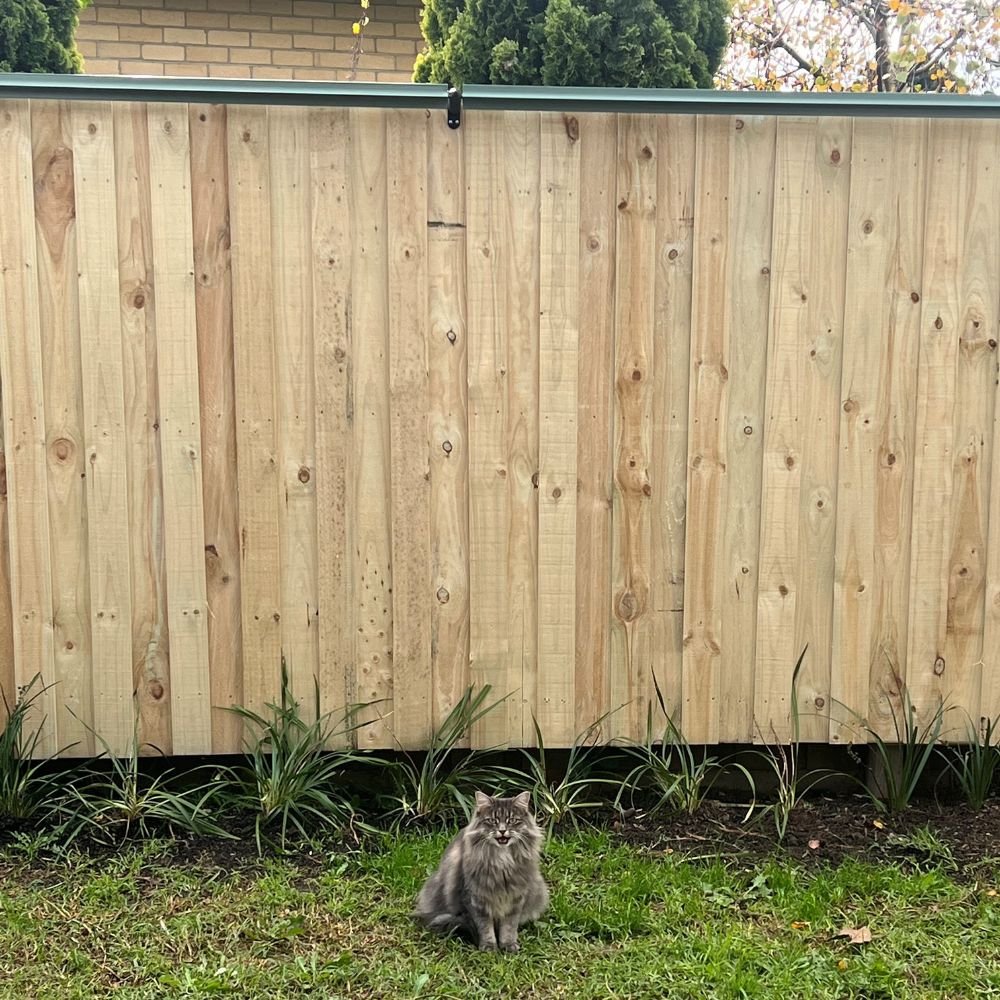
Environmental Design for Trauma Recovery:
Safe Retreat Spaces
- Install multiple enclosed shelters where cats can hide when overwhelmed
- Position shelters with multiple exits (never dead-ends)
- Include elevated hideaways for security-seeking cats
- Create dense vegetation screens for visual privacy
- Ensure shelters are accessible without crossing open areas
Gradual Exposure Zones
- Design outdoor space with areas of varying openness
- Create covered pathways from door to sheltered areas
- Position initial exploration areas close to house
- Allow cats to expand territory at their own pace
- Include observation points where they can assess environment safely
Enrichment Elements
- Cat-safe plants (cat grass, catnip, cat thyme)
- Varying textures (grass, stone, wood, sand)
- Water features (running water often appeals to traumatized cats)
- Bird feeders positioned for safe viewing
- Sun spots and shaded areas for choice
- Scratching posts and surfaces throughout

Introduction Protocol for Traumatized Rescue Cats
Standard introduction timelines may need extension for traumatized cats. Follow this trauma-sensitive protocol:

Phase 1: System Familiarization (Week 1-2)
Window Observation
- Allow cat to observe outdoor space from windows
- Note their interest level and stress indicators
- Create positive associations with outdoor views (treats, play)
- Watch for door-dashing attempts (indicates strong outdoor motivation)
Demonstration Without Pressure
- If cat is comfortable being held, gently show how paddles spin
- Make this a positive, brief experience (treats immediately after)
- If cat resists handling, skip this step entirely
- Never force interaction with the system
Phase 2: Controlled First Exposure (Week 3-4)
Initial Outdoor Session
- Choose calm weather and quiet time of day
- Open door to outdoor space but don't force cat outside
- Allow cat to decide when/if to venture out
- Stay present but don't hover (creates pressure)
- Keep session brief (5-15 minutes maximum)
- End session before cat shows stress signs
Reading Stress Signals
End session immediately if you observe:
- Flattened ears or dilated pupils
- Low body posture or freezing
- Rapid breathing or panting
- Frantic pacing or vocalization
- Aggressive or defensive postures
- Attempts to flee or hide
Positive Signs to Continue
- Curious exploration with upright tail
- Sniffing and investigating at own pace
- Relaxed body language
- Play behaviors or hunting practice
- Returning to check in with you
- Grooming behaviors (sign of comfort)

Phase 3: Gradual Expansion (Week 5-8+)
Increasing Duration
- Gradually extend outdoor sessions based on cat's comfort
- Some traumatized cats may need 30-minute sessions for months
- Never rush the process; trauma recovery is non-linear
- Allow setbacks without concern; they're normal in trauma recovery
Building Confidence
- Conduct positive activities outdoors (treats, play, grooming sessions)
- Allow cat to lead exploration—don't guide or encourage beyond their comfort
- Create predictable routine (same time, same duration initially)
- Celebrate small progress milestones
- Document behavior changes to track recovery
Territorial Security Development
- Allow cat to establish scent marks throughout space
- Let them claim preferred spots and territories
- Avoid rearranging outdoor space once cat has established patterns
- Notice which areas cat prefers and enhance those with enrichment
Phase 4: Independent Access (Month 3+)
Transitioning to Unsupervised Time
- Only transition when cat consistently shows relaxed outdoor behavior
- Install cat door for choice-based access
- Monitor from distance initially (security cameras can help)
- Ensure indoor safe spaces remain available
- Allow cat to self-regulate indoor/outdoor time
Special Considerations for Former Strays
- May attempt more determined escape efforts initially
- Need extra time to accept boundaries (outdoor life was their norm)
- Monitor for stress signs from feeling restricted
- Provide extensive outdoor enrichment to satisfy outdoor needs
- May never fully accept boundaries but will adapt with time

Special Scenarios and Solutions
Scenario 1: The Panic-Driven Escape Artist
Background: Cat has trauma history of being trapped or confined, shows frantic escape attempts when stressed
Solution Approach:
- Extensive indoor adjustment period (8-12 weeks minimum)
- Focus on building trust and security before outdoor introduction
- Create outdoor space with maximum openness (avoid enclosed-feeling areas)
- Ensure multiple shelters so cat never feels cornered
- Very gradual introduction with door left open (can flee inside if panicked)
- May benefit from calming supplements during initial introductions (consult vet)
- Never force outdoor time; let cat control all decisions
Scenario 2: The Shut-Down Shelter Survivor
Background: Cat is depressed, inactive, hiding frequently, showing minimal interest in environment
Solution Approach:
- Outdoor access can be transformative but needs careful timing
- Wait until cat shows some indoor confidence (eating well, exploring home)
- Create heavily sheltered outdoor environment with many hiding spots
- Position first outdoor experiences in familiar covered areas (screened porches work well as transition)
- Allow very slow exploration; cat may spend weeks just sitting in doorway
- Celebrate any outdoor engagement, no matter how minimal
- Often these cats blossom once they discover outdoor enrichment
Scenario 3: The Determined Former Stray
Background: Cat lived outdoors successfully, resists indoor confinement, shows frustrated behaviors
Solution Approach:
- These cats NEED outdoor access for psychological wellbeing
- Shorter indoor adjustment acceptable (4-6 weeks) if strong bonding occurs
- Ensure absolute perimeter security—they WILL test every inch
- Provide extensive outdoor enrichment (hunting toys, climbing structures, territorial opportunities)
- Expect testing of Oscillot® system; it will prove effective
- Maximum outdoor space helps (if possible, give access to entire yard)
- These cats typically adapt well once they understand boundaries are permanent
Scenario 4: The Abuse Survivor With Touch Aversion
Background: Cat fears human contact, shows defensive aggression, can't demonstrate paddle spinning to them
Solution Approach:
- Skip demonstration step entirely—Oscillot® doesn't require training
- Cat will learn system naturally through environmental interaction
- Create outdoor space where they can watch your activities from distance
- Your calm presence outdoors doing non-threatening activities builds trust
- Allow cat to maintain comfortable distance while observing you
- Over time, outdoor space often becomes place where trust develops
- Many touch-averse cats relax outdoors more than indoors

Why Oscillot® Succeeds Where Other Methods Fail
Rescue organizations and trauma-informed foster homes increasingly choose Oscillot® for specific trauma-related reasons:

Comparison With Alternative Systems:
Oscillot® vs. Electric/Invisible Fencing
- Trauma impact: Electric systems cause pain that can re-traumatize abuse victims and create new fear associations
- Effectiveness for rescue cats: Traumatized cats may be too fearful to test boundaries OR may overcome shock due to panic
- Oscillot® advantage: No pain, no fear associations, supports healing rather than creating new trauma
Oscillot® vs. Netting/Caging Systems
- Trauma impact: Enclosed feeling can trigger confinement panic in shelter-traumatized or caged cats
- Effectiveness for rescue cats: May worsen anxiety and prevent therapeutic benefits of outdoor access
- Oscillot® advantage: Open feeling, no sense of being caged, supports freedom experience
Oscillot® vs. Supervised-Only Outdoor Access
- Trauma impact: Requires human presence which fearful cats may find stressful
- Effectiveness for rescue cats: Limits outdoor time to when humans available, reducing therapeutic benefits
- Oscillot® advantage: Allows unsupervised access once adjusted, enabling natural behavior expression

Long-Term Success Indicators
Tracking your rescue cat's progress helps validate that outdoor access supports recovery:
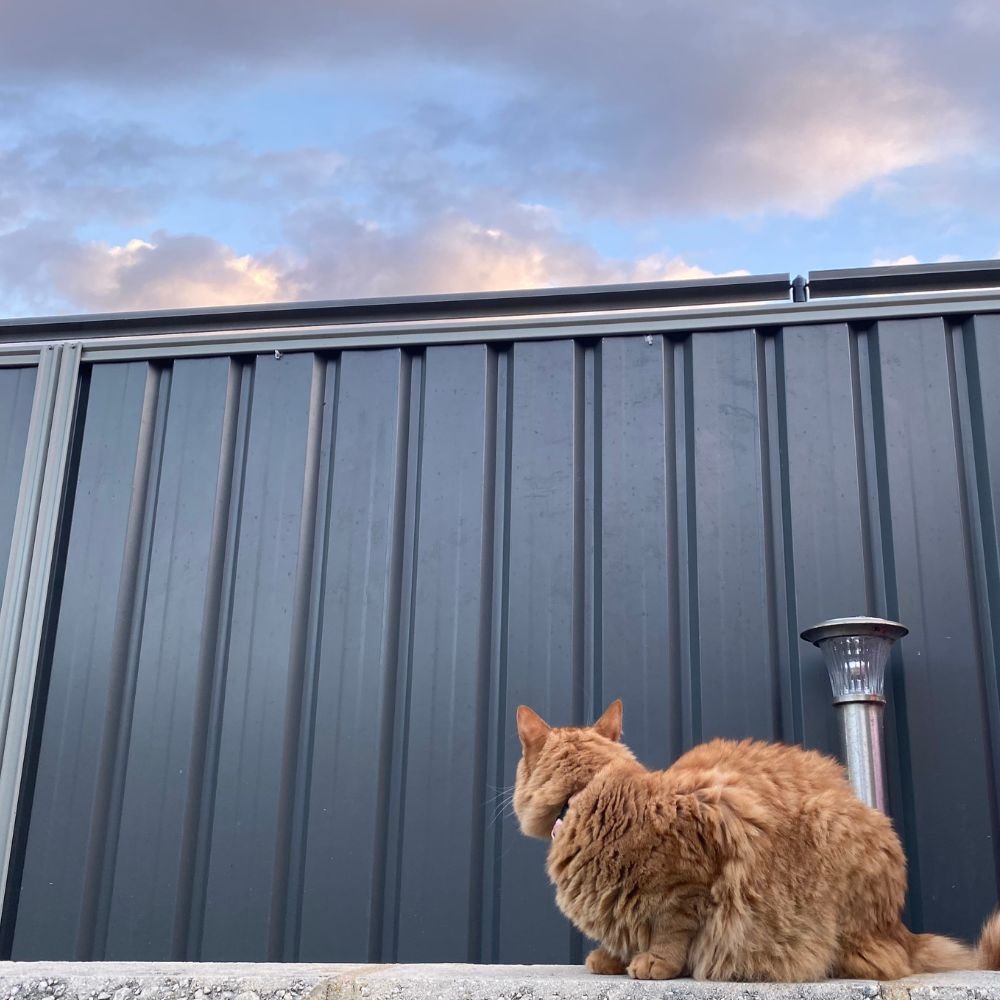
Positive Progress Markers:
-
Behavioral improvements:
- Reduced hiding behaviors
- Increased playfulness and energy
- More confident body language
- Reduced startle responses
- Improved social behaviors with humans or other pets
- Decreased aggressive or defensive responses
-
Emotional regulation:
- Faster recovery from stress events
- More stable mood throughout day
- Ability to self-soothe when anxious
- Appropriate response intensity to stimuli
-
Territory confidence:
- Establishing preferred outdoor spots
- Scent marking behaviors
- Defensive reactions to perceived intruders
- Relaxed grooming in outdoor spaces
- Bringing toys outside (play behavior)
-
Human bonding:
- Seeking your company outdoors
- Responding to your voice when outside
- Increased trust and affection
- Willingness to be near you in outdoor spaces
Timeline for Trauma Recovery:
Every cat's recovery journey is unique, but general patterns emerge:
- Months 1-3: Initial adjustment, tentative exploration, frequent setbacks normal
- Months 4-6: Increased confidence, establishing routines, reduced fearfulness
- Months 7-12: Significant behavioral improvements, more stable emotional regulation
- Year 2+: Continued gradual improvement, some trauma responses may always remain but manageable
Outdoor access with Oscillot® typically accelerates this timeline by providing enrichment, choice, and natural behavior outlets that support psychological recovery.
Working With Rescue Organizations and Fosters
If you foster or work with rescue organizations, Oscillot® installation creates enhanced placement opportunities:

Benefits for Foster Homes:
- Rehabilitation enhancement: Outdoor access accelerates behavioral recovery
- Increased capacity: More space supports fostering multiple cats
- Better outcomes: Cats with outdoor experience adapt better to various forever homes
- Reduced stress: Both for foster cats and resident pets
- Enhanced adoption appeal: Cats with positive outdoor experience are more adoptable
For Rescue Organizations:
- Organizations sometimes provide grants or funding for approved fosters to install systems
- Oscillot® installations increase foster home retention (better experience for fosters)
- Improved cat outcomes lead to better placement rates
- System portability means it can be uninstalled if foster moves
- Multiple organizations worldwide endorse Oscillot® for rescue work

Cost-Benefit Analysis for Rescue Cat Owners
Investing in proper containment for rescue cats delivers significant returns:
Investment Breakdown:
- Oscillot® system: €40-€1,943 (based on perimeter size)
- Enhanced security additions: €50-€200 (extra brackets, ground barriers)
- Trauma-sensitive environmental design: €100-€400 (shelters, enrichment, plants)
- Total investment: €190-€2,543
Value Returned:
- Behavioral medication reduction/elimination: €30-€100+ per month saved
- Reduced veterinary costs: Contained cats avoid injuries, fights, diseases
- Prevented rehoming: Many behavioral issues resolve with outdoor access, preventing return to rescue
- Psychological recovery acceleration: Faster improvement means reduced long-term care needs
- Quality of life: Priceless improvement in cat's wellbeing
- Decades of protection: One installation provides years of secure outdoor access
Typical payback period: 6-18 months through medication savings and prevented veterinary costs alone, not counting behavioral improvement value.
Getting Started: Action Plan for Rescue Cat Owners
Ready to provide your rescue cat with trauma-informed outdoor access?
Implementation Roadmap:
-
Assessment phase (Week 1-4):
- Document your cat's trauma background and behavioral patterns
- Monitor indoor adjustment progress
- Assess property and measure perimeter with calculator
- Plan trauma-sensitive environmental design
-
Installation phase (Week 5-6):
- Select appropriate Oscillot® kit size
- Order system (free shipping over €700, currently 20% off)
- Prepare property with enhanced security measures
- Install following installation guide
- Create trauma-sensitive environmental features
-
Introduction phase (Week 7-14+):
- Follow trauma-sensitive introduction protocol
- Allow cat to control pace completely
- Document progress and behavioral changes
- Adjust environment based on cat's preferences
-
Long-term success (Month 3+):
- Transition to independent access when ready
- Continue monitoring behavioral recovery
- Maintain system with regular inspections
- Celebrate recovery milestones

Conclusion: Healing Through Safe Freedom
Rescue cats with trauma histories deserve the opportunity to heal, rebuild confidence, and experience life beyond their painful pasts. Secure outdoor access, when implemented thoughtfully with trauma-informed systems like Oscillot®, provides therapeutic benefits that accelerate recovery and enhance quality of life.
The key lies in selecting containment systems that support rather than compound trauma. Oscillot's® trauma-sensitive design—open feeling, silent operation, no pain associations, predictable response—creates the ideal foundation for introducing traumatized cats to outdoor enrichment safely.
Combined with enhanced security measures, trauma-sensitive environmental design, and patient introduction protocols, Oscillot® installations transform outdoor spaces into healing environments where rescue cats can rediscover confidence, express natural behaviors, and gradually release the grip of past trauma.
Every rescue cat's journey is unique, and recovery timelines vary significantly. But with the right containment system, thoughtful implementation, and patient support, most traumatized rescue cats can eventually enjoy the freedom, enrichment, and therapeutic benefits of secure outdoor access.
Your rescue cat chose to trust you by accepting your home. Honor that trust by providing not just safety, but the opportunity for genuine healing and the freedom to reclaim joy in life. With Oscillot®, secure outdoor access becomes a powerful tool in trauma recovery rather than another source of stress.
Give your rescue cat the gift of safe freedom. Their transformation will remind you why rescue work matters, and why every cat deserves a second chance at happiness.
For specific questions about trauma-sensitive installations, behavioral considerations, or rescue organization partnerships, visit oscillot.eu or contact the Oscillot® team directly.